Ardilla Font: A Handwritten Script Font with Classic Calligraphy Charm
Typography plays a defining role in how a design is perceived. A single typeface can shift the entire mood of a project, turning something ordinary into something memorable. Among the many script fonts available today, the Ardilla Font stands out as a handwritten script font that draws on classic calligraphy influences. Its smooth strokes and natural flow make it a versatile option for designers, stationery creators, and anyone looking to bring a warm, personal touch to their work. Whether you are working on a formal invitation or a casual greeting card, Ardilla Font offers the kind of elegance that feels both timeless and approachable.
Handwritten fonts have gained immense popularity in recent years, largely because they fill a gap that standard serif and sans-serif typefaces cannot. People want designs that feel human, intimate, and crafted. Ardilla Font delivers on that expectation by combining the discipline of calligraphy with the spontaneity of handwriting. The result is a typeface that works beautifully across a range of applications, from wedding invites to everyday birthday cards. In this article, we explore the qualities, practical uses, and creative potential of Ardilla Font, and why it deserves a place in your design toolkit.
What Makes Ardilla Font Different from Other Script Fonts
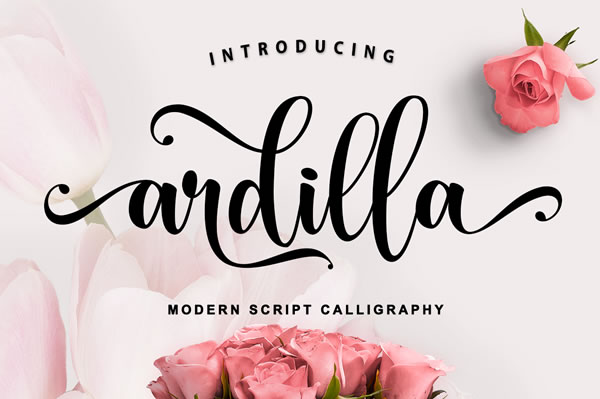
There is no shortage of script fonts available for download, but not all of them offer the same level of refinement. Ardilla Font distinguishes itself through its smooth letterforms and classic calligraphy roots. The font is designed with careful attention to stroke variation, where thick and thin lines follow the natural rhythm of a pen moving across paper. This gives Ardilla Font a fluid, organic quality that many digital scripts lack.
Another key characteristic is its readability. Many script fonts sacrifice legibility for flair, making them difficult to use in longer text passages or smaller sizes. Ardilla Font strikes a balance between decorative charm and clarity. Each letter is distinct enough to be read at a glance, yet connected in a way that mimics true handwriting. This makes it suitable not only for headlines and short phrases but also for body text in certain applications, such as quote cards or journal-style layouts.
The font also includes a well-crafted set of uppercase and lowercase characters, along with numerals and punctuation. The letterforms are slightly slanted, giving them a natural forward motion that feels inviting rather than stiff. The overall aesthetic leans toward the romantic and graceful side of calligraphy, but it avoids being overly ornate or fussy. This restraint is what makes Ardilla Font adaptable to both formal and casual projects.
Key Qualities at a Glance
- Handwritten authenticity: The font mimics real penmanship, with natural stroke variation and letter connections.
- Classic calligraphy influence: Rooted in traditional pen-and-ink techniques, it carries a timeless quality.
- Readable and clear: Unlike many script fonts, Ardilla Font remains legible at various sizes and in longer text blocks.
- Smooth and fluid: The transitions between strokes are seamless, giving the typeface a polished look.
- Versatile character set: Includes uppercase, lowercase, numbers, and punctuation, covering most design needs.
Where Ardilla Font Shines: Practical Applications and Project Ideas
The true test of any typeface is how well it performs in real projects. Ardilla Font is particularly effective in the realm of stationery and print design. Its calligraphy style makes it a natural choice for wedding invitations, where elegance and a personal touch are paramount. Imagine a wedding suite that uses Ardilla Font for the couple’s names, the date, and the ceremony details. The font’s smooth curves and slightly romantic feel align perfectly with the tone of such events, creating an impression of care and craftsmanship.
Beyond weddings, Ardilla Font is an excellent option for birthday cards. Whether printed or used in digital card designs, the handwritten quality adds a layer of intimacy that standard fonts cannot replicate. A birthday card that reads “Happy Birthday” in Ardilla Font immediately feels more heartfelt, as if the message was written by hand rather than typed. This emotional resonance is a key reason why designers return to this font again and again.
Greeting cards of all kinds benefit from Ardilla Font’s warmth. From thank-you notes to congratulations cards, the font lends itself well to short, meaningful messages. It also works beautifully on gift tags, place cards, and table numbers for events. The smooth lettering does not compete with other design elements; instead, it complements them, making it a reliable choice for layered compositions.
In digital projects, Ardilla Font can be used for social media graphics, blog headers, and quote images. Its calligraphy style stands out on Instagram posts or Pinterest pins, where visual appeal is crucial. The font is also suitable for branding purposes, especially for businesses that want to convey a handmade, artisanal, or boutique feel. Wedding planners, florists, bakeries, and small lifestyle brands often benefit from a typeface like Ardilla Font that communicates warmth and quality without being overly decorative.
Integrating Ardilla Font into Modern Workflows
One of the practical considerations designers face when choosing a font is how easily it fits into their existing workflow. Ardilla Font performs well across both print and digital environments. It is available in standard font formats, typically OTF or TTF, which means it installs quickly on both Windows and macOS systems. It works seamlessly with major design software such as Adobe Photoshop, Illustrator, InDesign, Procreate, and Canva, as well as word processors like Microsoft Word and Google Docs.
For print projects, Ardilla Font holds up well at various point sizes. At larger sizes, the calligraphy details become more pronounced, showing off the stroke contrast and letterform shapes. At smaller sizes, the font remains clear, though it is best used for short to medium-length text. If you are designing a layout that requires a mix of headline and body text, pairing Ardilla Font with a simple, clean sans-serif like Open Sans or Lato can create a balanced contrast that is both modern and readable.
In web and mobile design, Ardilla Font can be implemented using @font-face or linked via a font service if available. However, because it is a script font, it is best reserved for headings, logos, or prominent callouts rather than large blocks of body text. This ensures that the design maintains readability while still benefiting from the font’s aesthetic qualities. The smooth Ardilla Font works particularly well on retina displays, where the fine stroke details are clearly visible.
Practical Workflow Tips
- Use Ardilla Font for focal text elements such as names, dates, headings, and short quotes.
- Pair it with a neutral sans-serif or serif font for body copy to avoid visual clutter.
- Adjust tracking and kerning carefully in script fonts; Ardilla Font has natural spacing, but fine-tuning can improve specific layouts.
- Consider using a lighter color or opacity for subtle applications like watermarks or background text.
- Test the font at different sizes and on different media (paper, screen, fabric) to see how it behaves in your specific context.
Practical Benefits of Choosing Ardilla Font
Beyond its visual appeal, Ardilla Font brings several practical benefits to the table. First, it is a freebie, which lowers the barrier to entry for designers, hobbyists, and small business owners. High-quality script fonts can be expensive, and finding one that is both free and well-crafted is a rare opportunity. Ardilla Font offers professional-grade aesthetics without the cost, making it accessible to anyone who wants to elevate their designs.
Second, the font’s classic calligraphy style ensures it will not look dated quickly. Trends in typography come and go, but fonts rooted in traditional techniques tend to have staying power. Ardilla Font can be used in 2024 and still feel relevant a decade later, which is important for branding and long-term projects. This longevity makes it a smart choice for designers who want assets that remain useful over time.
Third, the emotional impact of handwritten typography cannot be overstated. In a world dominated by digital communication, anything that feels personal and handcrafted stands out. Ardilla Font helps designers tap into that emotional response, whether the project is a wedding invitation, a thank-you card, or a social media post. The font’s smooth, flowing lines create a sense of care and intentionality that resonates with audiences.
What to Consider Before Using Ardilla Font
As with any typeface, there are factors worth considering before committing to Ardilla Font for a project. Because it is a script font, it is not ideal for large blocks of body text, especially at smaller sizes. If your project requires extensive reading material, such as a brochure or a multi-page document, Ardilla Font is best used sparingly. Pairing it with a complementary font for body text avoids readability issues and creates a more polished hierarchy.
Another consideration is the style of the project itself. Ardilla Font leans toward the romantic and elegant end of the spectrum. It is not a neutral font, and it carries distinct personality. If your project calls for a strictly modern, minimalist, or industrial aesthetic, Ardilla Font may feel out of place. Understanding the tone and audience of your design will help you decide whether Ardilla Font is the right fit.
Finally, licensing is always an important factor. While Ardilla Font is offered as a free download, the specific licensing terms can vary. Make sure to check whether the font is free for commercial use, personal use only, or requires attribution. Most free fonts have clear licensing guidelines, and respecting those terms ensures you can use the font legally in your projects without issues.
Final Observations on Ardilla Font’s Creative Potential
Ardilla Font occupies a sweet spot in the world of script typography. It is elegant without being pretentious, readable without being boring, and classic without being old-fashioned. The smooth Ardilla font works great on greeting cards, wedding invites, birthday cards, and much more, but its potential extends far beyond those obvious applications. From branding and packaging to digital art and social media, Ardilla Font brings a human touch that elevates the overall design.
For designers looking to expand their font library with a quality handwritten script, Ardilla Font is a strong candidate. Its combination of calligraphy-inspired structure, fluid strokes, and practical usability makes it a font you will reach for again and again. Add this lovely freebie to your creations and take your designs to the next level. Whether you are a seasoned professional or a beginner exploring typography, Ardilla Font offers the kind of warmth and versatility that makes every project feel a little more special.